

Laser hair removal offers a long-term solution for unwanted hair. However, to get the best results, post-treatment care is critical. Many think the process ends once they leave the clinic, but this is a misconception. Post-treatment care is essential for optimal results, as it helps prevent side effects like redness or irritation and ensures the laser energy works effectively on future hair growth.
According to the “American Academy of Dermatology Association (AADA),” the first laser hair removal session typically reduces hair in the treated area by 10% to 25%. This reduction occurs because laser hair removal targets hair follicles during their active growth phase, known as the anagen phase. Since not all hair follicles are in this phase at the same time, multiple sessions are necessary to treat all hairs effectively. Subsequent treatments reduce hair growth, smoothing the skin over time.
That is why proper aftercare laser treatment is not an option, it is a requirement. By following simple steps, you can enjoy smooth skin for longer. We will explain the importance of post-treatment care, such as why you need to take care of your skin after laser hair removal treatment and when you will see the results.
Why Is Post-Treatment Care So Important?
Proper aftercare safeguards the skin’s health and ensures treatment efficacy by minimizing risks like irritation, infection, and pigmentation changes. Following recommended steps like keeping the skin clean, avoiding sun exposure, and preventing friction helps protect the treated skin, promotes healing, and enhances long-term results. Below are some reasons why after-care laser hair removal is essential:
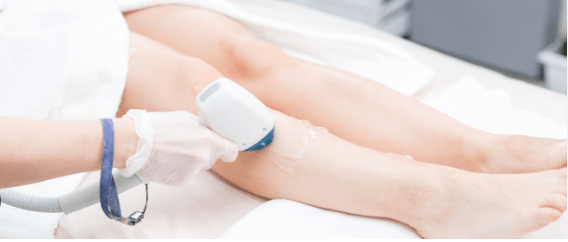
1. Preventing Infections:
Infections are a potential risk after laser hair removal because the treatment creates tiny micro-damages in the skin, temporarily making it more vulnerable. Proper post-care is essential to prevent infections. To save yourself from infections, you should gently clean the area with mild soap to avoid irritation, keep the skin dry to reduce bacterial growth, avoid touching or scratching, and wear loose, breathable fabrics. These steps create a clean, healing environment, minimizing infection risk and ensuring smoother, healthier results from your laser hair removal treatment.
However, studies have shown that improper post-laser care can increase the risk of infection by up to 15%, especially in underarms where sweat and bacteria are more likely to build up. Keeping the area clean and dry creates an ideal healing environment.
2. Reducing Discomfort with Cool Compresses
Cool compresses are a go-to method for reducing post-treatment discomfort, especially redness and swelling on the skin. After laser hair removal, the treated area may feel warm or irritated due to the heat generated by the laser pulse. Applying a cool compress for 10-15 minutes every 4-5 hours can reduce swelling by almost 50%, as per dermatological guidelines. Avoid ice directly on the skin; instead, wrap it in a soft cloth to prevent additional irritation.
According to a study in Journal of Dermatologic Surgery, using cold compresses post-laser treatment can reduce recovery time by 30%. Patients who followed a regimen of applying a cold compress for 10-15 minutes every few hours noticed a significant decrease in discomfort and visible redness within the first 24 hours.
3. Minimizing Pigmentation
Pigmentation refers to the natural coloring of a person’s skin, hair, or eyes, determined by the presence and distribution of melanin. These changes are among the most common side effects of laser hair removal, especially for people with darker skin tones or those who expose treated areas to sunlight too soon.
Pigmentation can occur on your skin as either hyperpigmentation (dark spots) or hypopigmentation (light spots), depending on how the laser interacts with melanin, the pigment responsible for skin color. A gentle moisturizer helps restore the skin’s barriers, while avoiding sun exposure can prevent hyperpigmentation. Using a product with ingredients like aloe vera or hyaluronic acid can further speed up healing.
A study published in the “Journal of Clinical and Aesthetic Dermatology” (2010) analyzed 1,200 laser hair removal patients and found that about 10-15% of individuals experienced pigmentation changes, with higher rates among those with darker skin types (Fitzpatrick skin types IV-VI). The study also highlighted that pigmentation issues decreased significantly—by about 40% in those who adhered to post-treatment care guidelines, such as avoiding sun exposure and using SPF 30 or higher.
4. Avoiding Sun Exposure
Sun can intensify skin sensitivity after laser hair removal, increasing the risk of burns, pigmentation, and irritation. The laser treatment itself temporarily weakens the skin’s barrier, making it more susceptible to the sun’s ultraviolet (UV) rays. To protect the treated area, avoid direct sunlight for at least 2 weeks and always use a high-SPF sunscreen when outdoors.
Sun exposure within two weeks after laser treatment can lead to pigmentation issues in approximately 30% of patients. This risk is notably higher in individuals with darker skin tones, who are more susceptible to hyperpigmentation. Applying a broad-spectrum sunscreen with SPF 50 or higher provides an added layer of protection, helping to prevent these pigmentation changes.
5. Avoiding Other Hair Removal Methods
Hair removal methods like waxing, plucking, or threading extract hair from the root, disrupting the hair growth cycle. Laser hair removal targets hair follicles during their growth phase, and removing hair from the root can interfere with this process, reducing treatment effectiveness. For optimal results, avoid these methods between treatments, as they interfere with the laser’s ability to consistently target hair. Instead, if necessary, shave the area, as it doesn’t disturb the follicle structure.
A study published in the “Journal of Cosmetic and Laser Therapy” found that patients who avoided other hair removal methods, such as waxing or plucking, between laser sessions experienced a 20% increase in treatment efficacy. This suggests that refraining from these methods allows laser treatments to target hair follicles, enhancing overall results more effectively.
6. Wearing Loose Clothing
Tight clothes, like jeans or fitted leggings, can rub against laser-treated skin, causing friction that leads to irritation, redness, and even blisters. After laser hair removal, the skin is already sensitive from the heat applied during treatment, making it more vulnerable to irritation from clothing. Wearing loose, breathable clothing after laser hair removal can significantly reduce the risk of skin irritation and allows treated areas to heal without disruption. Loose fabrics, especially soft materials like cotton, allow air to circulate, keeping the skin cool and preventing sweat buildup, which can further irritate sensitive skin.
A study published in the Journal of Dermatologic Surgery found that patients who wore loose clothing after laser treatments reported a 25% decrease in irritation and discomfort compared to those who wore tight or restrictive clothing. Dermatologists recommend loose clothing to help maintain comfort and allow treated skin to recover without friction, especially in areas that experience more frequent movement.
7. Following Up for Maintenance
Following up with maintenance treatments after your initial laser hair removal sessions is essential to achieving and maintaining optimal results. Laser hair removal works by targeting hair follicles during their growth phase, but because hair grows in cycles, multiple sessions are required to catch all hair at the right stage. After completing the initial treatment plan, periodic maintenance sessions help address any remaining or newly growing hairs, leading to longer-lasting, smoother skin.
Regular maintenance treatments not only target new hair growth but also improve the effectiveness of each laser session. By consistently addressing the follicles, patients can see an estimated 70-90% reduction in hair growth over time, depending on hair type and skin tone.
A report by “ Liew, S.” in the American Journal of Clinical Dermatology in 2002 found that Multiple treatments are necessary to achieve satisfactory results, with hair clearance of 30 to 50% generally reported 6 months after the last treatment. These follow-ups are particularly beneficial for those with lighter or finer hair, as these hair types often require more sessions to achieve permanent reduction.
When Will You See the Best Results?
Results vary based on hair type, skin color, and the type of laser used. Different laser types are suitable for different skin types. For example, some lasers work better on darker skin tones. Usually, after 6 to 8 sessions, you will see significant hair reduction.
Mostly, it starts working in 6-20 days post-6th session ( approximately after 6 months) for women and post 8th-session for men. While laser hair removal offers long-term results, it’s not always permanent hair removal. Maintenance treatments may be needed. Following post-treatment care speeds up this process.
In conclusion, facial laser hair removal aftercare is important for the best results. By taking simple steps, you protect your skin and enhance results. At Kaizen Medspa, we offer expert advice and services at affordable prices. Our team ensures you get the best care before, during, and after your treatment. Ready to enjoy smooth, hair-free skin? Contact us today to book your appointment!
