
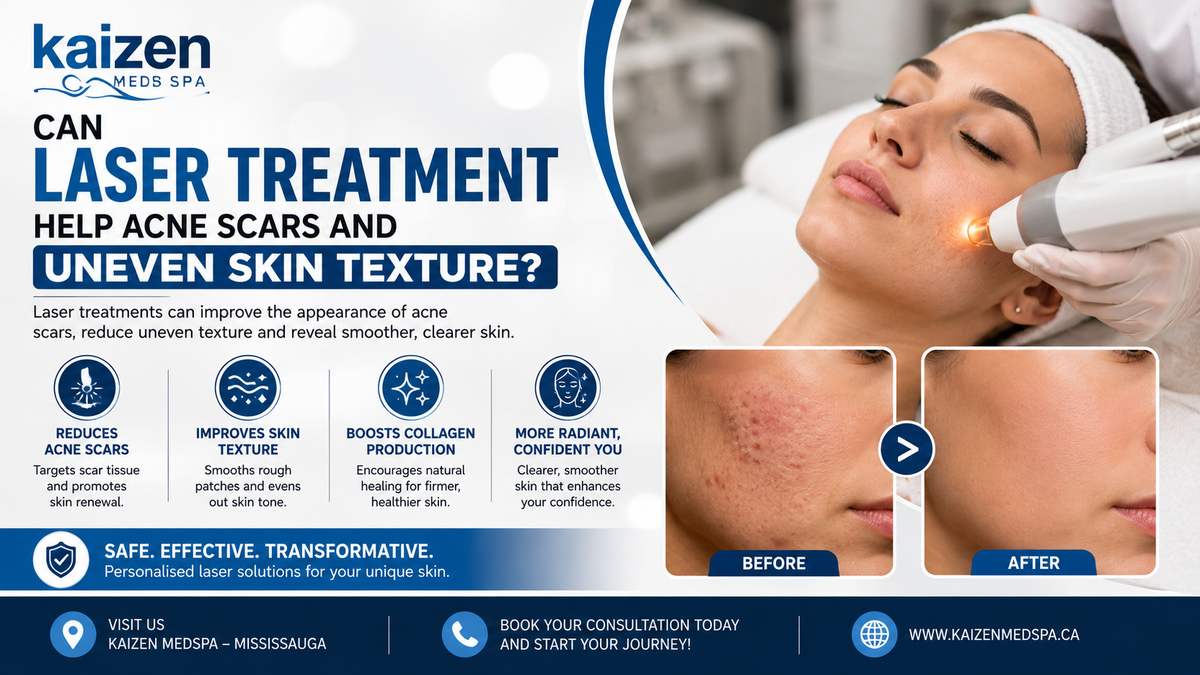
Acne may disappear, but sometimes it leaves something behind. Small dents, rough patches, dark marks, or an uneven skin surface can remain long after the breakout has healed.
For some people, creams and serums make the skin look brighter but do very little for deeper scars. This is because an acne scar is not always just a problem on the surface. The structure of the skin itself may have changed.
This is where laser acne treatment may help.
Laser technology can target different layers of the skin, encourage natural skin renewal, and support collagen production. Over time, this may make acne scars look softer and the skin texture appear smoother.
However, the treatment needs to match your scar type, skin tone, and overall skin condition.
Why Does Acne Leave Scars?
Not every pimple creates a scar.
Scarring is more likely when acne becomes deeply inflamed. A large pimple or cyst can damage the skin tissue underneath the surface. As your body tries to heal the area, it produces collagen.
Sometimes too little collagen is produced. This can leave a dent in the skin.
Sometimes too much tissue develops, creating a raised scar.
Common acne scars include:
- Ice-pick scars: Small but deep holes in the skin.
- Boxcar scars: Wider dents with noticeable edges.
- Rolling scars: Shallow dips that make the skin look wavy.
- Raised scars: Thick areas of scar tissue above the skin.
Dark or red marks left after acne may look like scars, but they can actually be changes in pigmentation.
This difference matters because the best treatment for a dark mark may not be the best laser treatment for acne scars.
How Does Laser Acne Treatment for Scars Work?
Laser treatments use controlled light energy on specific areas of the skin.
Depending on the technology being used, the treatment can work at the surface or reach deeper layers.
Some laser treatments remove or resurface damaged outer skin. Others work underneath the surface without removing the top layer.
The goal is to encourage the skin’s natural repair process and support new collagen.
Collagen gives skin much of its structure and firmness. As new collagen develops, some depressed scars may gradually appear softer and less deep.
Laser therapy can also help improve rough texture and certain types of discoloration. Kaizen’s current acne treatment information describes its laser approach as targeting acne concerns while supporting collagen production and improving skin texture.
Can Laser Treatment Completely Remove Acne Scars?
This is an important question.
A laser skin treatment can improve the appearance of acne scars, but expecting every scar to completely disappear may not be realistic.
Think about an old scar as a change in the structure of the skin. Treatment can help remodel that area, soften its appearance, and create a smoother surface.
Your results may depend on:
- The type of acne scar
- How deep the scar is
- Your skin tone
- How old the scars are
- Your natural collagen response
- The laser technology used
- The number of treatments completed
- Your skincare before and after treatment
Deep ice-pick scars, for example, may respond differently from shallow rolling scars.
For this reason, a skin assessment should come before treatment.
Can Face Laser Treatment Improve Uneven Skin Texture?
Yes, improving texture is one of the reasons people consider face laser treatment.
Uneven texture can develop from acne scars, enlarged-looking pores, sun damage, old blemishes, or changes in collagen.
Laser energy can encourage skin renewal and collagen production. As the skin heals, its surface may gradually feel smoother and look more even.
You may notice improvement in:
- Rough areas
- Shallow acne scars
- Uneven-looking pores
- Dull skin
- Mild discoloration
- Uneven tone
- Overall skin smoothness
Kaizen currently lists acne scars, pigmentation, uneven skin tone, wrinkles, and general skin rejuvenation among concerns that may be addressed with its laser services.
What About Active Acne?
Acne scars and active acne are two different concerns.
If you still have frequent breakouts, your treatment plan may need to address the acne itself as well as the scars already present.
Certain laser treatments can be used as part of an acne treatment plan. Depending on the technology, treatment may help manage oil production, inflammation, or acne-related skin changes.
A personalized acne treatment Mississauga plan may therefore look different for someone with active breakouts than for someone whose acne disappeared years ago.
Trying to treat scars while new acne is constantly forming may not always give you the outcome you want.
The better approach is to look at the complete condition of your skin.
Which Laser Technology Can Be Used?
There are many types of laser and light-based technologies, which is one reason you should not choose treatment simply because someone online had good results with a particular machine.
Different technologies can be selected based on skin color, sensitivity, scar depth, pigmentation, and the treatment goal.
One system used for acne and skin rejuvenation is the SharpLight OmniMax S3.
The OmniMax S3 platform can be used for several aesthetic concerns, including acne, pigmentation, skin rejuvenation, and hair removal. Treatment settings can be adjusted according to individual skin characteristics.
This customization matters because laser energy needs to be chosen carefully for different amounts of melanin in the skin.
Does Laser Treatment Work on Darker Skin?
Laser treatment can be an option for many darker skin tones, but proper technology and settings become especially important.
Skin with more melanin can absorb more laser energy. Incorrect settings may increase the chance of irritation or changes in pigmentation.
That does not automatically mean darker skin cannot receive laser treatment.
Instead, the provider needs to understand your skin type and choose suitable energy levels and technology. Kaizen’s current guidance also stresses customized laser settings for different Fitzpatrick skin types.
Always mention previous pigmentation problems, tanning, medications, and skin sensitivity during your consultation.
What Happens During a Laser Acne Treatment?
Your appointment usually begins with a skin assessment.
The treatment area is cleaned, and protective eyewear may be provided. Your provider then uses the laser handpiece over the selected areas.
What the treatment feels like depends on the machine and settings. Some people describe warmth, light snapping, or mild tingling.
Afterward, the skin may look slightly red or feel warm.
The exact experience can change depending on whether the treatment is gentle and non-ablative or a stronger resurfacing procedure.
How Many Sessions Will You Need?
There is no perfect number for everyone.
A person with mild texture problems may need a different plan from someone with deep acne scars across both cheeks.
Laser treatment often works gradually because the skin needs time to heal and produce new collagen between appointments.
This means you should look at progress over the complete treatment plan rather than judging the result immediately after the first session.
Your provider can decide whether additional laser acne treatment sessions would be useful after checking how your skin responds.
What Should You Do After Face Laser Treatment?
Aftercare matters.
Freshly treated skin can be more sensitive, so you should keep your routine simple.
Your provider may recommend:
- A gentle facial cleanser
- A simple moisturizer
- Broad-spectrum sunscreen
- Cool compresses when needed
- Avoiding strong acids or retinoids temporarily
- Avoiding picking or scratching the skin
- Limiting direct sun exposure
- Avoiding very hot showers or saunas for a short period
Gentle products from ranges such as CeraVe, Cetaphil, or La Roche-Posay may sometimes fit a simple recovery routine, but your provider should tell you what is suitable for your skin.
Daily sunscreen is especially important because sun exposure can make post-treatment pigmentation more noticeable.
Is Laser Treatment the Right Choice for Every Scar?
Not always.
Some scars may respond better when laser therapy is combined with other treatments. Depending on the problem, options may include microneedling, chemical peels, skincare treatments, or other professional procedures.
This is why copying another person’s skincare treatment plan rarely works.
Two people can both say, “I have acne scars,” while having completely different scar types.
A proper consultation helps identify what is actually happening underneath the skin before choosing treatment.
Conclusion
Laser treatment for acne scars can help improve rough texture, soften some acne scars, support collagen production, and create a smoother-looking skin surface. However, results depend heavily on the type of scar, skin tone, treatment technology, and individual healing response.
For people looking for professional acne treatment Mississauga options, Kaizen Medspa provides customized laser skin treatments using technologies including the SharpLight OmniMax S3, with treatment plans designed around individual skin concerns, tone, texture, and acne history.
Frequently Asked Questions
1. Can laser treatment remove acne scars completely?
Laser treatment can greatly improve the look of acne scars, but complete removal may not always be possible. Results depend on scar type, depth, and skin condition.
2. How many laser sessions are needed for acne scars?
The number of sessions depends on the severity of the scars, skin type, and treatment method. Some people need several sessions to see smoother, more even-looking skin.
3. Is laser acne treatment painful?
Most people feel mild warmth, tingling, or a light snapping sensation during treatment. Comfort levels vary, and cooling technology may help make the procedure more comfortable.
4. Can face laser treatment help uneven skin texture?
Yes. Face laser treatment can support collagen production and skin renewal, which may improve rough texture, shallow acne scars, enlarged-looking pores, and uneven skin tone.
5. Is laser treatment suitable for all skin types?
Laser treatment can be suitable for many skin types, but settings must be adjusted carefully. A professional skin assessment helps determine the safest and most effective treatment approach.
